Post-Ramadan Wellness: Why Mineral Water and Hot Springs Matter for Recovery

22
Mar
-
 by
Admin
by
Admin
Post-Ramadan Wellness: Why Mineral Water and Hot Springs Matter for Recovery
Post-Ramadan Wellness: Why Mineral Water and Hot Springs Matter for Recovery
The month of fasting during Ramadan requires remarkable discipline and dedication. As Ramadan Bayram arrives, marking the end of this spiritual journey, many people find themselves experiencing both a sense of accomplishment and the physical effects of sustained fasting. Whilst the spiritual rewards are immeasurable, the body often signals that it needs support to return to balance. This is where nature's ancient healing wisdom can offer gentle, effective recovery through balneotherapy and thermal therapy.
The Body After Fasting: Understanding Your Recovery Needs
After weeks of fasting, the body undergoes several changes that deserve careful attention. Prolonged fasting can affect hydration levels, joint mobility, and energy reserves. Many people notice stiffness in their joints, particularly in the morning, or feel a general sense of fatigue that lingers even after returning to regular eating patterns. The digestive system, having adapted to different rhythms, may need time to recalibrate. Mental stress from the demands of daily life during fasting can accumulate as well.
These are natural responses, not causes for alarm. However, they do suggest that the body would benefit from intentional recovery support. Rather than rushing back into demanding routines, this transition period offers an opportunity to restore balance through gentle, natural therapies.
How Mineral Waters Support Post-Ramadan Recovery
Bulgaria's natural hot springs and mineral therapy can contribute meaningfully to the recovery process. The thermal waters found across destinations like Velingrad, Hisarya, and Pavel Banya contain minerals such as magnesium, calcium, and sulphur that are absorbed through the skin during bathing.
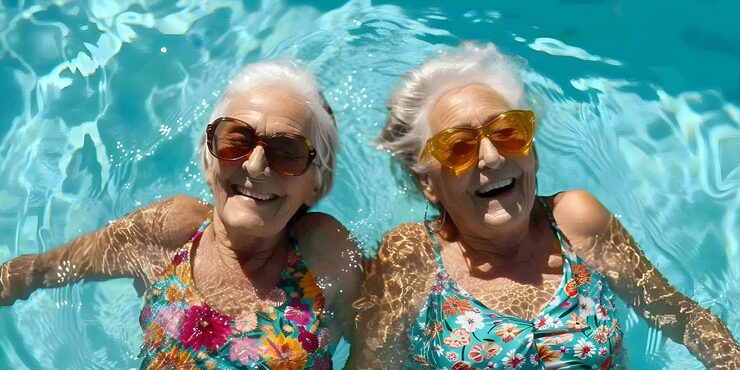
These mineral-rich waters may support joint comfort and muscle relaxation. The warmth of the thermal springs helps improve circulation, which can assist the body in delivering nutrients more efficiently to tissues that need recovery. For those experiencing stiffness or reduced mobility after weeks of altered sleep patterns and fasting, regular balneotherapy sessions often result in improved flexibility and ease of movement.
Hydration is particularly important after Ramadan. Whilst drinking water is essential, bathing in mineral waters allows the body to absorb beneficial elements directly through the skin. This gentle approach complements dietary recovery and can help restore the body's mineral balance naturally.
The Mental Health Benefits of Thermal Therapy
The recovery journey isn't purely physical. Ramadan demands significant mental focus and emotional discipline. Many visitors to balneotherapy in Bulgaria report that the calming environment of thermal spa centres provides much-needed mental restoration.
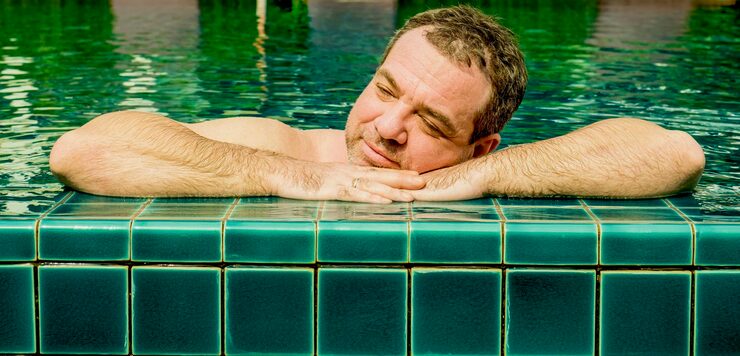
The experience of immersing oneself in warm, mineral-rich waters creates a natural stress-reduction effect. The combination of heat, buoyancy, and mineral content can contribute to reduced tension and improved sleep quality. For those who have experienced disrupted sleep patterns during Ramadan, this natural relaxation response can be particularly valuable.
Being in a tranquil mountain setting, surrounded by nature and away from daily pressures, allows the mind to truly rest. This mental renewal is as important as physical recovery, helping visitors return home feeling genuinely restored rather than simply having taken a break.
Why Bulgaria Offers Ideal Post-Ramadan Wellness Retreats
Bulgaria has emerged as a trusted destination for health-conscious travellers from England seeking natural therapies. The country's abundant thermal springs have been used therapeutically for centuries, with modern spa facilities now offering medically supervised balneotherapy programmes.
What makes Bulgaria particularly suitable for post-Ramadan recovery is the combination of affordability, accessibility, and quality. Wellness packages typically include medical consultations, prescribed mineral bath therapies, mud treatments, and comfortable accommodation—all at prices considerably lower than comparable facilities in Western Europe.
The cultural environment is welcoming and respectful. Many spa centres have experience hosting international guests and understand the importance of providing halal food options and respecting religious practices. The focus is on gentle, natural healing rather than intensive or invasive treatments, making it an appropriate choice for those seeking restorative care after fasting.
Planning Your Recovery Journey
For those considering balneotherapy as part of their post-Ramadan wellness plan, several destinations in Bulgaria stand out. Velingrad, known as the spa capital of the Balkans, offers over 80 mineral springs with varying compositions suited to different health needs. Pavel Banya specialises in rehabilitation and is particularly recommended for joint-related concerns. Hisarya provides a historic setting with mineral waters that have been valued since Roman times.
Most wellness programmes range from 5 to 14 days, allowing sufficient time for the therapeutic effects of mineral waters to develop. During this period, guests typically receive daily balneotherapy treatments, including thermal baths, inhalations, and sometimes mud therapy, all tailored to individual health needs following a medical assessment.
The ideal timing for such a retreat is often 2-4 weeks after Ramadan Bayram, once initial celebrations have concluded and you can fully dedicate time to recovery without competing obligations. This allows for a complete reset before returning to regular routines.
Embracing Wellness as Part of Life Balance
The period following Ramadan Bayram represents more than just a return to normal eating patterns. It's an opportunity to honour the dedication shown during fasting by treating the body and mind with equal care. Natural therapies like balneotherapy offer a gentle pathway to recovery that respects the body's need for time and support.
For those living in England who value preventive health care and natural approaches to wellness, exploring Bulgaria's thermal therapy options can open new possibilities for maintaining balance throughout the year. The benefits extend beyond immediate recovery, often resulting in improved joint mobility, reduced stress levels, and renewed vitality that supports overall wellbeing long after returning home.
As you plan your post-Ramadan wellness journey, consider how the healing properties of mineral waters and the tranquillity of Bulgaria's mountain spa centres might support your body's natural recovery process. Sometimes the most effective medicine is found not in what we add, but in creating the right conditions for the body to restore itself naturally.