Ramadan Bayram: A Time for Renewal, Balance, and Wellness

21
Mar
-
 by
Admin
by
Admin
Ramadan Bayram: A Time for Renewal, Balance, and Wellness
Ramadan Bayram: A Time for Renewal, Balance, and Wellness
After a full month of fasting, prayer, and reflection, Ramadan Bayram — also known as Eid al-Fitr — arrives as a celebration of discipline completed and a new chapter beginning. It's a festival that brings families together, encourages acts of charity, and invites a return to balance. But beyond the feasts and gatherings, this sacred time also reminds us to care for the body that carried us through the journey.
The end of Ramadan isn't just a spiritual milestone. It's a physical one too. A month of fasting reshapes routines, challenges the digestive system, and tests energy levels. When it's over, the body asks for more than just food. It asks for recovery.
What the Body Needs After Ramadan
During fasting, the body adapts in remarkable ways. Metabolism shifts, digestion rests, and energy reserves are carefully managed. But when normal eating resumes, the transition can be jarring. Digestive discomfort, fatigue, and even mild stress are common in the days following Eid. The body has been disciplined for weeks. Now it needs time to recalibrate.
This is where natural healing and wellness practices can make a real difference. After weeks of structure and restraint, many people feel the need to slow down, breathe deeply, and give their bodies the gentle care they deserve. Rest is important. So is hydration. And so is creating space for the body to restore its rhythm without pressure or haste.
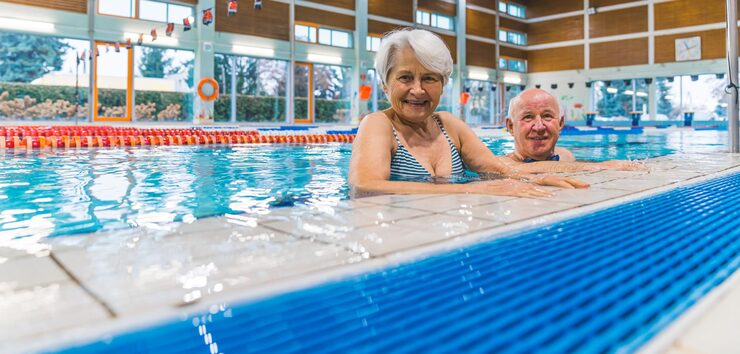
Bulgaria, a country known for its mineral-rich hot springs and therapeutic landscapes, offers a setting where this kind of recovery feels effortless. The warm waters have been used for centuries to ease tension, support circulation, and promote deep relaxation — exactly what the body craves after a period of intensity.
Gratitude, Reflection, and the Gift of Stillness
Ramadan Bayram is about gratitude. It's about recognizing the strength it took to fast, the connections strengthened through shared meals, and the quiet moments of prayer that grounded each day. But gratitude also means honoring the body that made it all possible.
In the rush to celebrate, it's easy to overlook how much the body has given. Taking time to restore energy, ease muscle tension, and calm the mind isn't indulgence. It's respect. And for those seeking a place that naturally encourages this, mineral waters and thermal springs offer a quiet refuge where healing happens without effort.
The mountains of Bulgaria hold an invitation to anyone who needs rest. The air is clean, the pace is slow, and the hot springs feel like a gentle embrace. It's a place where the body can let go of what it's been holding — the tension, the tiredness, the constant push to keep going.
A Journey from Discipline to Balance
Ramadan is a month of discipline. Ramadan Bayram is the release. And the weeks that follow are about finding balance again. That balance doesn't come from force. It comes from listening — to the body, to the breath, to the quiet signals that say "slow down" or "rest here."
For many people, especially those in their 40s, 50s, and 60s, this kind of listening becomes more important with time. The body doesn't recover as quickly as it once did. Stress lingers longer. Sleep doesn't always restore the way it should. And after an intense period like Ramadan, the need for genuine rest becomes undeniable.
Bulgaria's wellness destinations understand this. They're built around the idea that healing doesn't require complicated treatments or rigid schedules. Sometimes it just requires warm water, mountain air, and the permission to do nothing at all.
Family, Community, and the Importance of Connection
Ramadan Bayram celebrates connection. Families gather, neighbors visit, and entire communities come together to share meals and joy. But connection also means reconnecting with yourself. After weeks of serving others, fasting, and staying strong, it's okay to step back and ask: what does my body need right now?
For some, that might be rest. For others, it's movement, fresh air, or simply being somewhere that feels peaceful. Wellness travel isn't about escaping life. It's about returning to it with more energy, more clarity, and a deeper sense of ease.
And when that journey happens in a place like Bulgaria — with its ancient springs, quiet valleys, and genuine hospitality — it feels less like a holiday and more like a homecoming.